1 note

The heroine is deserted by the father of her unborn child in favour of a steam loom weaver who the heroine characterises as being immoral. The heroine expresses her intention to sue her unfaithful lover for financial support. The heroine predicts that the steam loom weaver will suffer violence at the hands of the unfaithful man and that she will also suffer poverty. The heroine concludes by warning other women not to trust men.

A man arrives in London by railway and goes to the Cremorne Gardens where he is importuned by a woman. She orders food and drink at the hero's expense and the hero gets drunk. They dance together. The hero is arrested on the suspicion that he is the heroine's pimp or accomplice in crime. He concludes by warning others to refuse the approaches on young women.

The end of the French Wars in 1815 was followed by several decades of social unrest exacerbated by the Peterloo Massacre of 1819 and the introduction of the Corn Laws. The Anti Corn-Law League¹ was very active in the Manchester area during the 1830s and it was an important recruiting area for the Chartists¹

The Liverpool and Manchester railway was an immediate commercial success. In 1833 it carried 1100 passengers daily. Reference: Wolmar, Christian, Fire & Steam: A New History of the Railways in Britain (Atlantic Books, 2007)

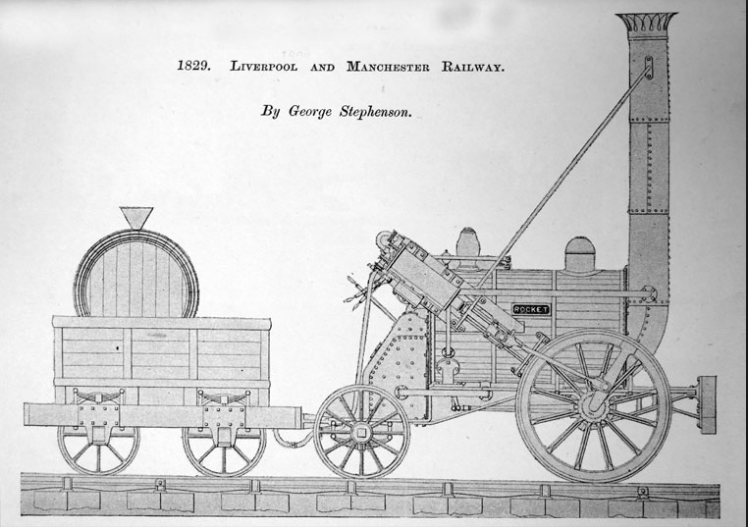
The illustration at the top of the broadside shows a locomotive very similar to the Rocket which was the most famous of the locomotives on the Liverpool and Manchester railway.

199Rocket.png


Please publish modules in offcanvas position.